Backbone.js (2010) provided a minimal MVC structure with models, views, and routers, though it required developers to write significant "glue code" for state management and rendering.
AngularJS (2010) offered a comprehensive, opinionated solution with two-way data binding, dependency injection, and directives, becoming the enterprise standard for large SPAs despite its steep learning curve.
Ember.js (2011) adopted a "convention over configuration" philosophy, providing built-in routing and templating to accelerate development for teams that preferred strict guidelines.
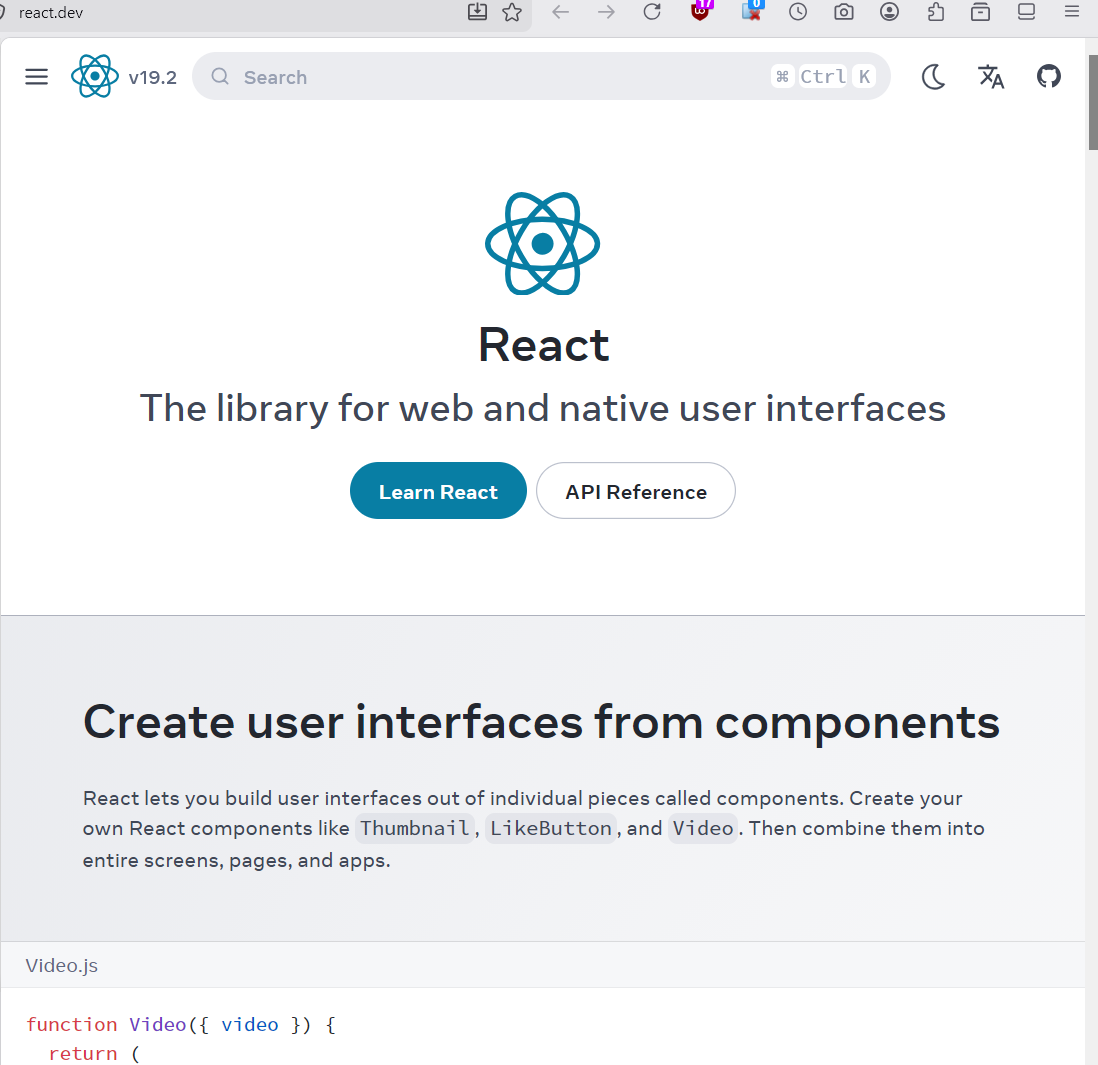
React: The dominant library for building large, dynamic user interfaces with a component-based architecture and virtual DOM.
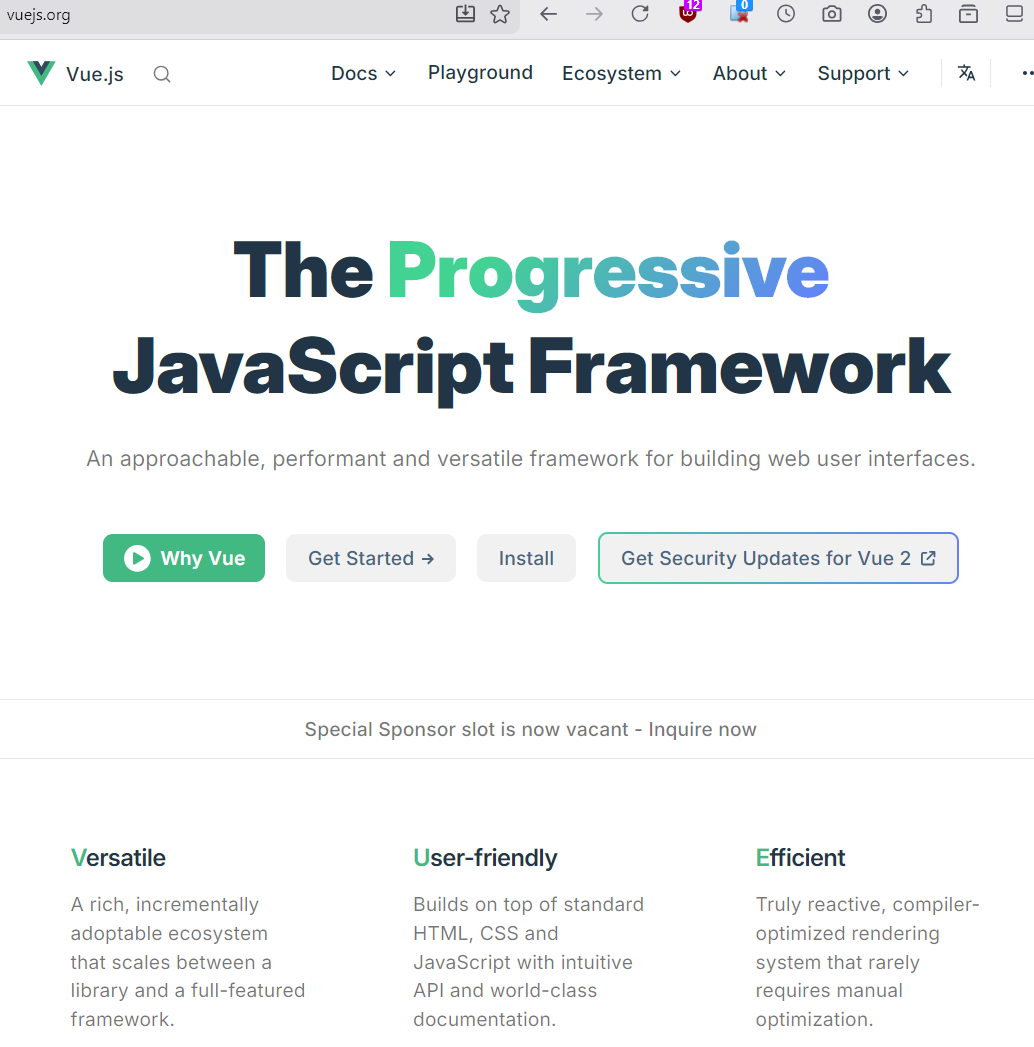
Vue.js: A progressive framework known for its approachable learning curve and ease of integration into existing projects.
Angular: An opinionated, TypeScript-based framework offering strict structure ideal for large-scale enterprise applications.
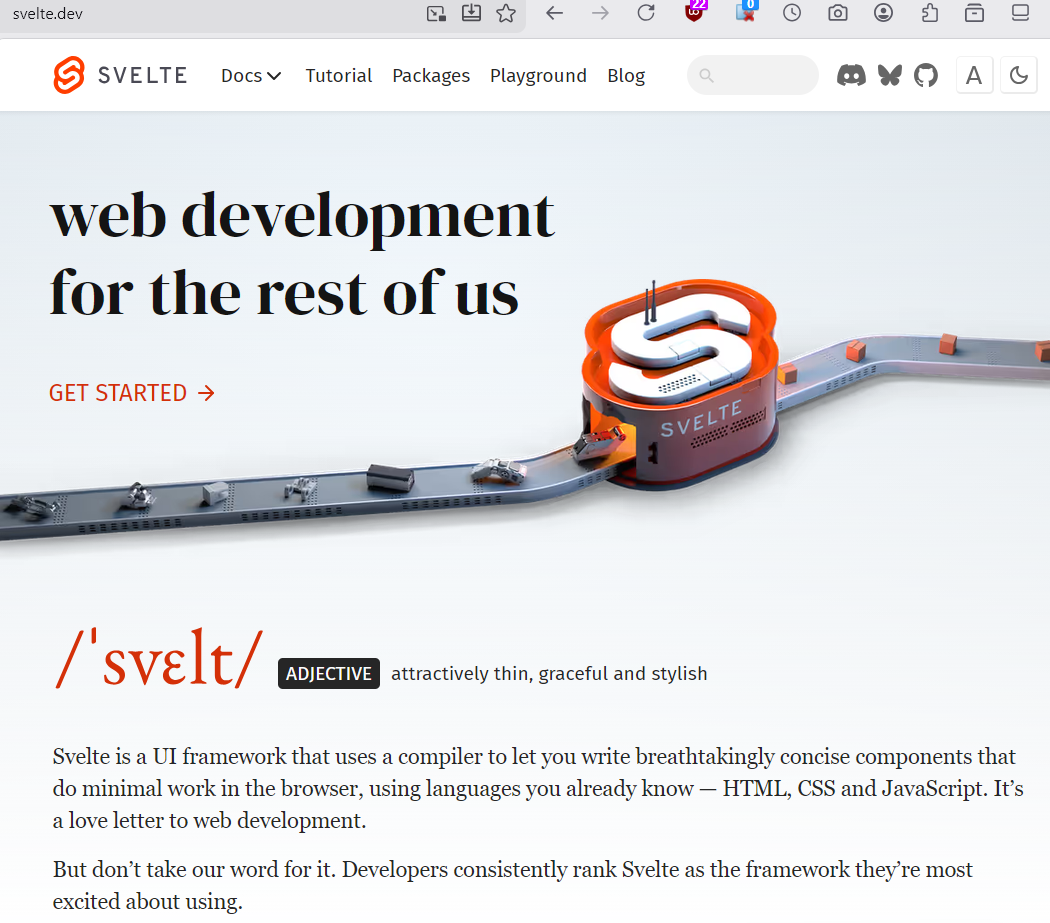
Svelte: A compile-time framework that eliminates the virtual DOM, resulting in smaller bundles and high performance.
Next.js: A React-based full-stack framework specializing in server-side rendering (SSR) and static site generation for SEO.
Nuxt.js: The equivalent full-stack framework for Vue.js, providing SSR and static generation capabilities.
Alpine.js: A lightweight library for adding interactivity to server-rendered HTML without complex build steps.