Best Graphing Calculator
Am a fan of calculators. My fond memory is HP-28S that i bought in 1991 for some $250, and wrote my first program to solve the 8-queens problem without knowing anything about programing. And also wrote a large program to play any musical chords and scales.
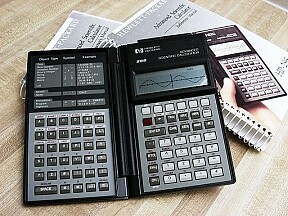 HP-28S Calculator (1988)
But that calculator is basically my last one as well. Mathematica and computer took over. [see Wolfram Language Tutorial] Since the HP-28, the next generation the HP-48 came along, but i never got into it (and am out of college as well). However, now and then i look at the calculator scene as a arm-chair philosopher. Checking their current capabilities, their design, placement of buttons, symbols on the keys [see Unicode: Math Symbols π² ∞ ∫] , user interface, and muse over the issues of tech advance, education, futurism.
The only calc i currently own, but basically never use, is Casio fx-300w.
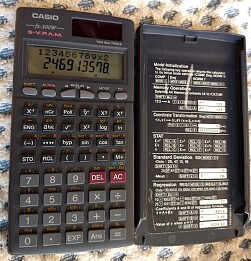 Casio fx-300W Calculator (1999)
What Would Euler, Gauss, Think?
Been always fascinated by calculators. You know how in scientific calculators there's these buttons {sin, cos, log}? Seeing them, around age 11, my thought was that they are very advanced things, that to know what they are would mean something like a rocket scientist.
While in college, i have this fantasy of bringing a basic scientific calculator and show it to Euler, Gauss, them 1700s guys. I would tell them, “Look at this! you see this sin log buttons?” and they would go “huh? what?”. Then i would proceed to explain the magic on my hand.
Latest and Greatest Calculator as of 2021
If you buying a Graphing Calculator:
Casio is best, then HP Prime then TI-Nspire.
Today i took a hour to gander at today's calculator scene. Here's some summary.
The HP calculators, once was the love of true tech geeks since 1970s, but from about 2000 to 2010 they have degraded so badly to universal bad reviews. The series during this time is HP-49 series, but not worth your money. Lousy buttons, lousy features, slow, lousy look.
 HP 50g Calculator (2006)
 HP 35s calculator (2007)
 SwissMicros DM42n Calculator (2017)
 HP Prime Graphing Calculator (2013)
Texas Instruments Calculators
The TI calculators, became a strong player in calculators starting in early 1990s, and just gets better. Then it became a required item in USA colleges, and it became fat and lazy, and stagnated, and became much worse and more expensive than competitions.
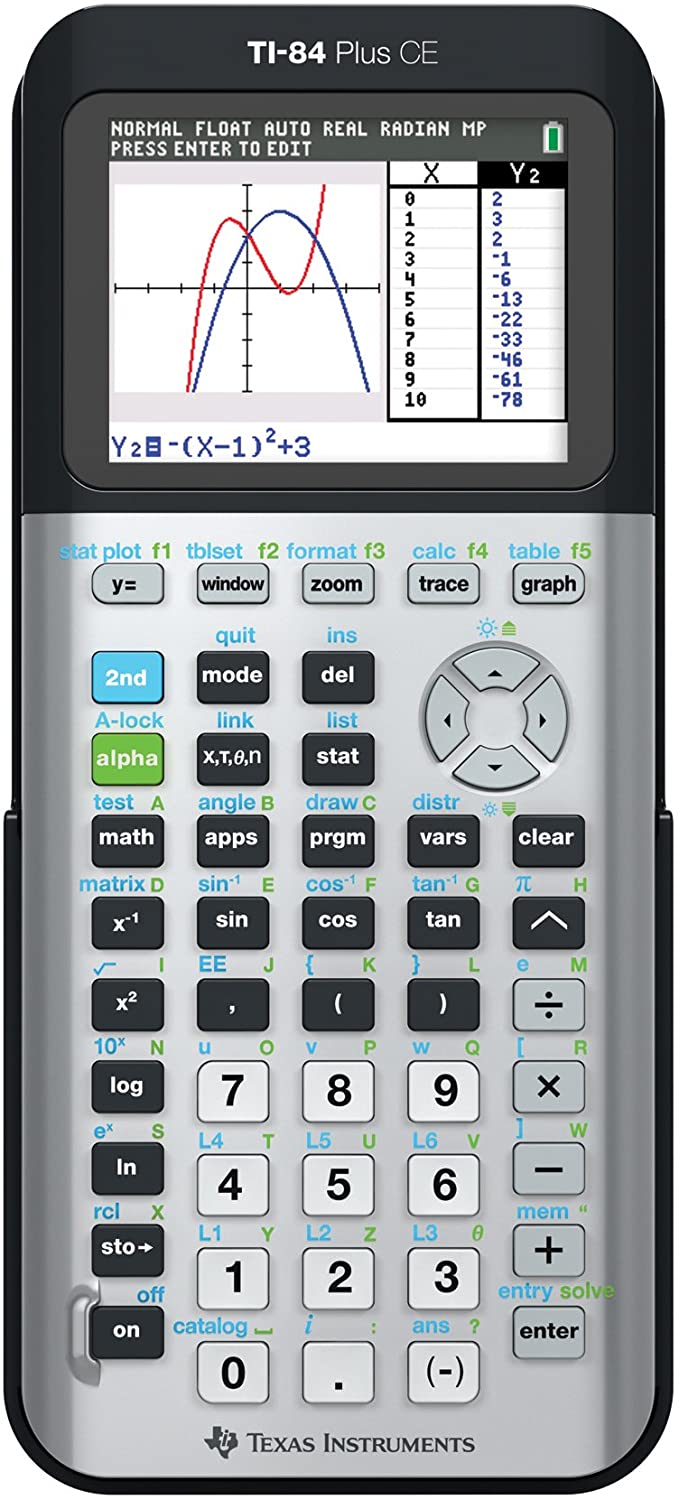
TI-84 Plus CE Buy at amazon
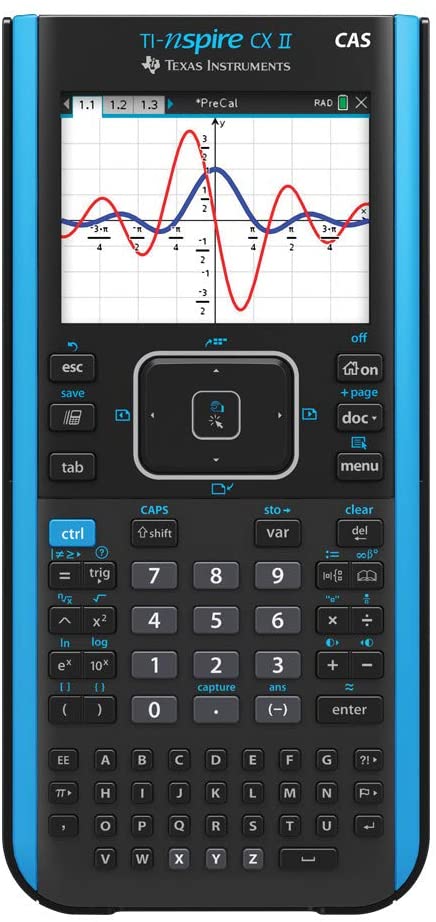
The TI-Nspire, as of 2021, is worse than similarly priced HP Prime, and worse than Casio that's $60 cheaper.
Casio
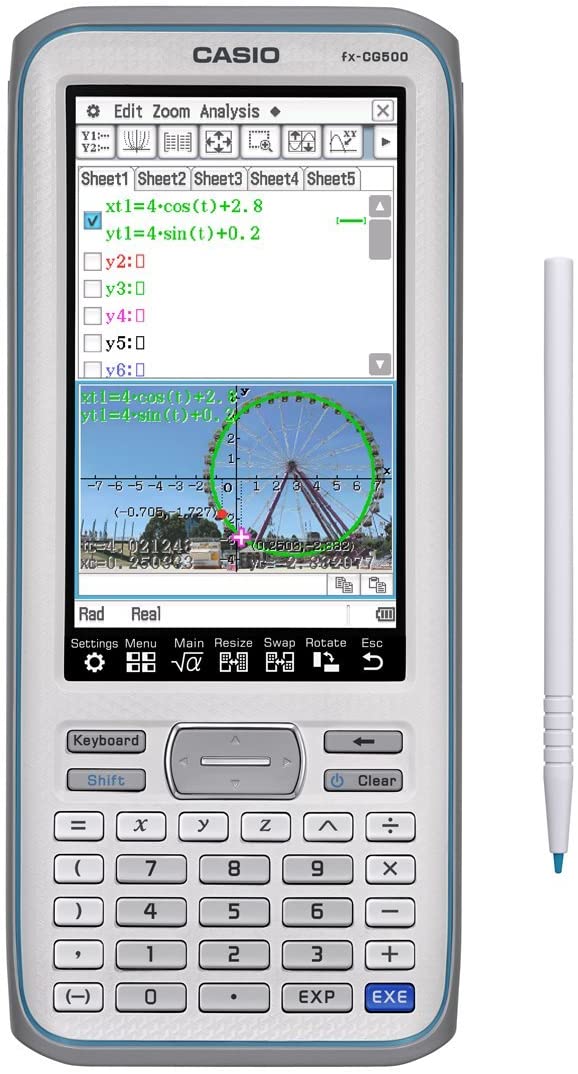
What about Casio? They are the best. The latest model, is a touch-screen based Casio ClassPad 300. According to some reviewers at amazon who owns all the HP and TI ones, they say this is the best, beats TI-Nspire. I tend to believe it.
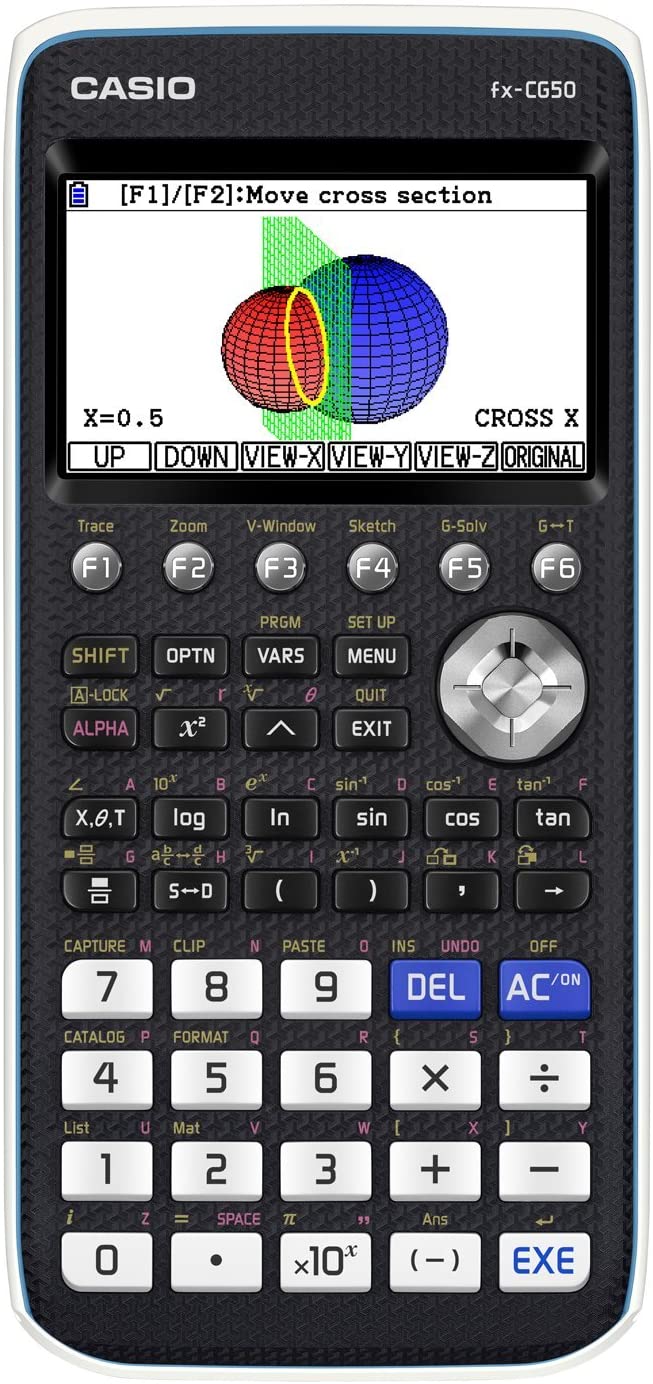
CASIO PRIZM FX-CG50
The CASIO PRIZM FX-CG50 is faster and better than TI's graphing calculators, plus, the Casio is about $60 cheaper. But it is is slower than the HP Prime, well, it's also $50 cheaper.
Wait, I Want My sin Button Back!
Where did the sin button go?
I want lots physical buttons with weird symbols on them. Physical buttons give me a sense of math, the esoterism, and offers fast direct access than screen menus. You know? kinda like old fashioned rocket scientist who prefer intricacies of mechanical devices than digital stuff that you can't see and touch (how ironic).
Is Calculator Going the Ways of Dinosaur?
Calculators are going the ways of the dinosaur. These days, mobile phone stuff are all just unified hand-held little computers. It can play video, music, take photo, as telephone, connects to the internet, GPS, and thousands of applications. Who needs a single-purpose gadget to carry around?
If you look at the classroom situation, calculators are good. Because, it's easier for students to learn and teachers to teach of a single-purpose device. And there are even lots of textbooks written for calculators.
But if you look at calculators as a tool in general, it's probably heading towards the grave. A roughly same sized and same priced smart phone, can run math applications that makes it more powerful than dedicated calculators, then it can do hundred other things. In the same way, computers replaced dedicated word processors in the 1980s.
If you let students use mobile phone in classroom instead of calculators, it becomes a problem because:
- (1) How do you know students are not playing games or chatting to friends on it?
- (2) How do you know they are not running cheat-sheets during exams?
- (3) How do you teach them to solve a equation with calculator when everyone is running a different application?
Calculators are good basically just in classrooms, or for engineers on the field. Though, i wonder how many more years they'll last.
Death of calculators
- one is 256 MB memory, the other is 4 GB.


- Xiaomi Redmi 14C 4G LTE (for Tello Mint & Global)(128GB + 4GB) Factory Unlocked Global ROM GSM 6.88″ 50MP Triple Camera
- Buy at amazon
amazing. china cheapo takes over. omg, with a writing pad. and just $32.

- ROATEE 991ES Plus Desktop Scientific Calculator, ROATEE CalcNote Multiview 4-Line Display with Erasable LCD Writing Tablet, Solar Battery Power with Notepad for School and Business
- Buy at amazon