In Chinese or Japanese language, space is rarely used. This is quite interesting linguistically.
for example of Chinese, here's the opening passage of 西游记 (Journey To The West)
诗曰:混沌未分天地乱,茫茫渺渺无人见。自从盘古破鸿蒙,开辟从兹清浊辨。覆载群生仰至仁,发明万物皆成善。欲知造化会元功,须看西游释厄传。
The gap after punctuation is part of the punctuation character. See: Unicode Full-Width Characters and Intro to Chinese Punctuation for English Speakers.
It's interesting because it's a more efficient syntax. In English, why should you type a space after comma? It's redundant. The comma character itself serves the purpose of pause, and the space or gap serves no semantic purpose, but presentation. The comma character should contain a trailing gap itself, or, the rendering system should automatically render a gap after it. Same with the FULL STOP symbol, although the FULL STOP is abused for many purposes.
See also: What Does it Means When a Programing Language Claims “Whitespace is Insignificant”? ◇ Symbol, Semantics, Design: Unicode for “e.g.” (exempli gratia)
You could write a program to convert English punctuation to the equivalent Chinese version,and rid of extra space。For example,this very sentence you are reading,is using Chinese punctuation and there's no space after comma or period。The problem with this is that it goes against convention,and you'll encounter many little problems。For example,search engine might get confused。
Here's a emacs lisp code that lets you convert. Emacs Lisp: Convert Punctuation Between English/Chinese Forms
Similarly, in programing language, often you have style guides on whether to add a space or not. For example: x=3+4 vs x = 3 + 4, {7,9,10} vs {7, 9, 10}. Software should automatically render the space.
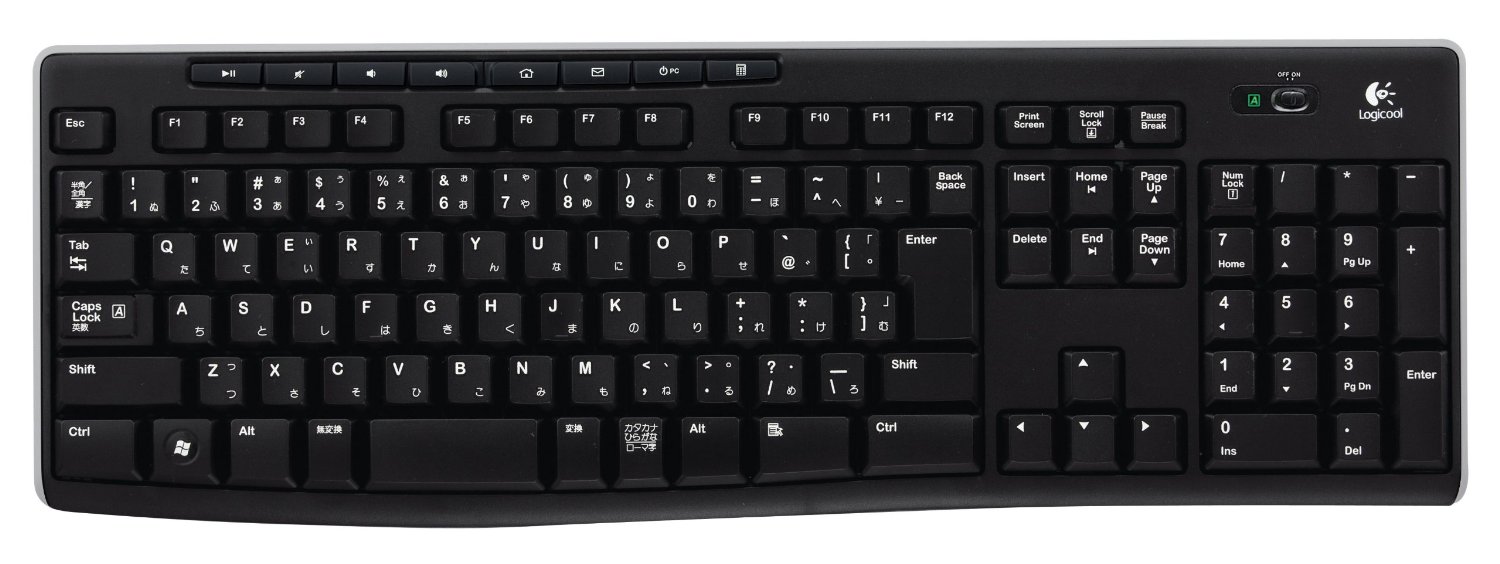
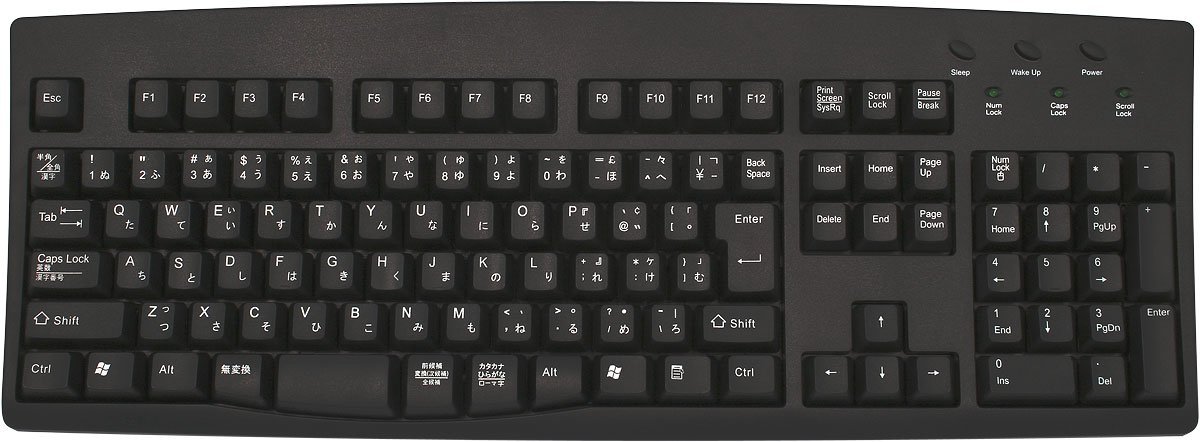
Because Japanese don't use space character much, as a interesting consequence, on Japanese keyboards, the Space bar is tiny.
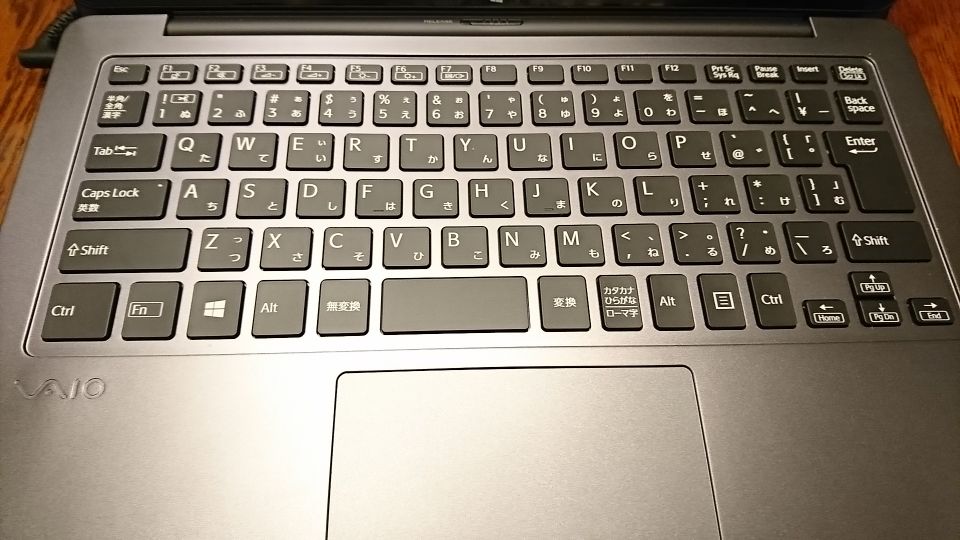
the interesting thing about this is that, standard PC keyboard's huge Space bar is really a waste of space. It should be split into at least 3, for {⌫ Backspace, Return ↩, Space}. (the Japanese keyboard breaks it into 4.) For keyboard of this design, see: μTRON Keyboard ◇ Truly Ergonomic Keyboard ◇ Maltron Keyboard ◇ Kinesis Contoured Keyboard.
it's interesting to note that Microsoft also made a keyboard where the space bar is split into two, with the left side being ⌫ Backspace. See: Microsoft Sculpt Comfort Keyboard Review.
Reference: Japanese input methods ◇ 日文輸入法
blog comments powered by Disqus