Kinesis Advantage2 Keyboard
Kinesis Advantage2 Keyboard
The Kinesis Advantage2 keyboard came out in 2016-08.
I've been using it for 5 years now, since 2016-08. It is my current keyboard. (2021-01-04 updated: in fact, bought a new one, with silent linear switches)
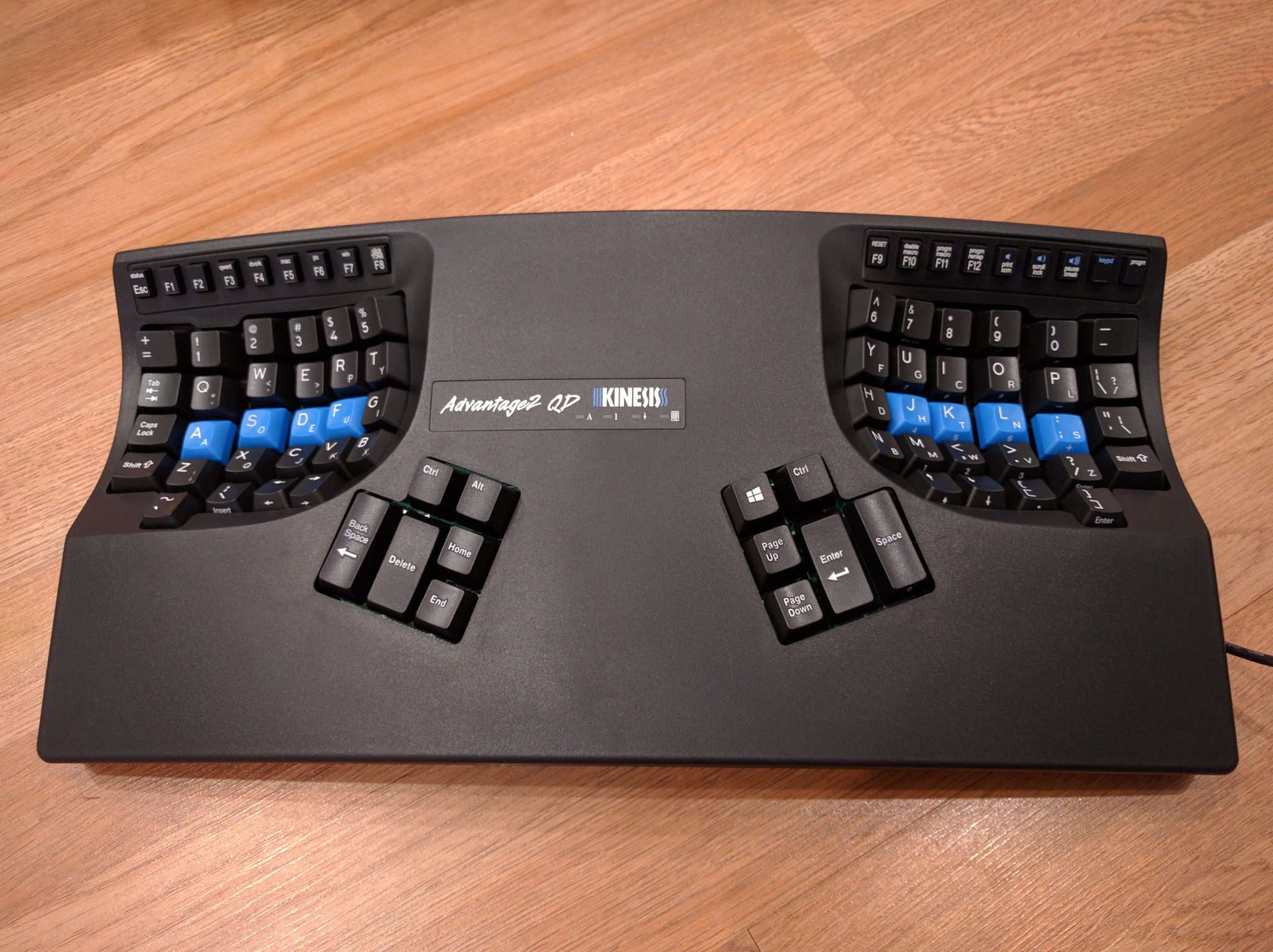
68 full-sized keys, plus 18 small function key buttons.
Size Comparison
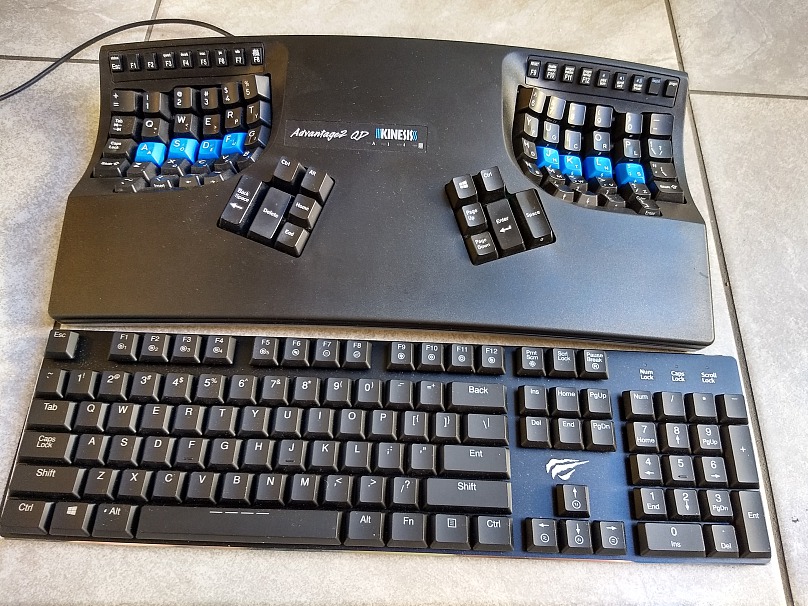
Note: on Kinesis Advantage, there is no moving hand to mouse problem, because there is no number pad gap..
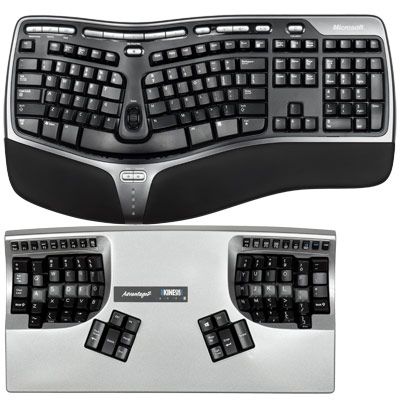
more, see Ergonomic Keyboards Size Comparison
Video Review

- https://youtu.be/FR6Ujuo6seY
- Xah Kinesis Advantage2 Keyboard Review

On-The-Fly Key Remap and Macro
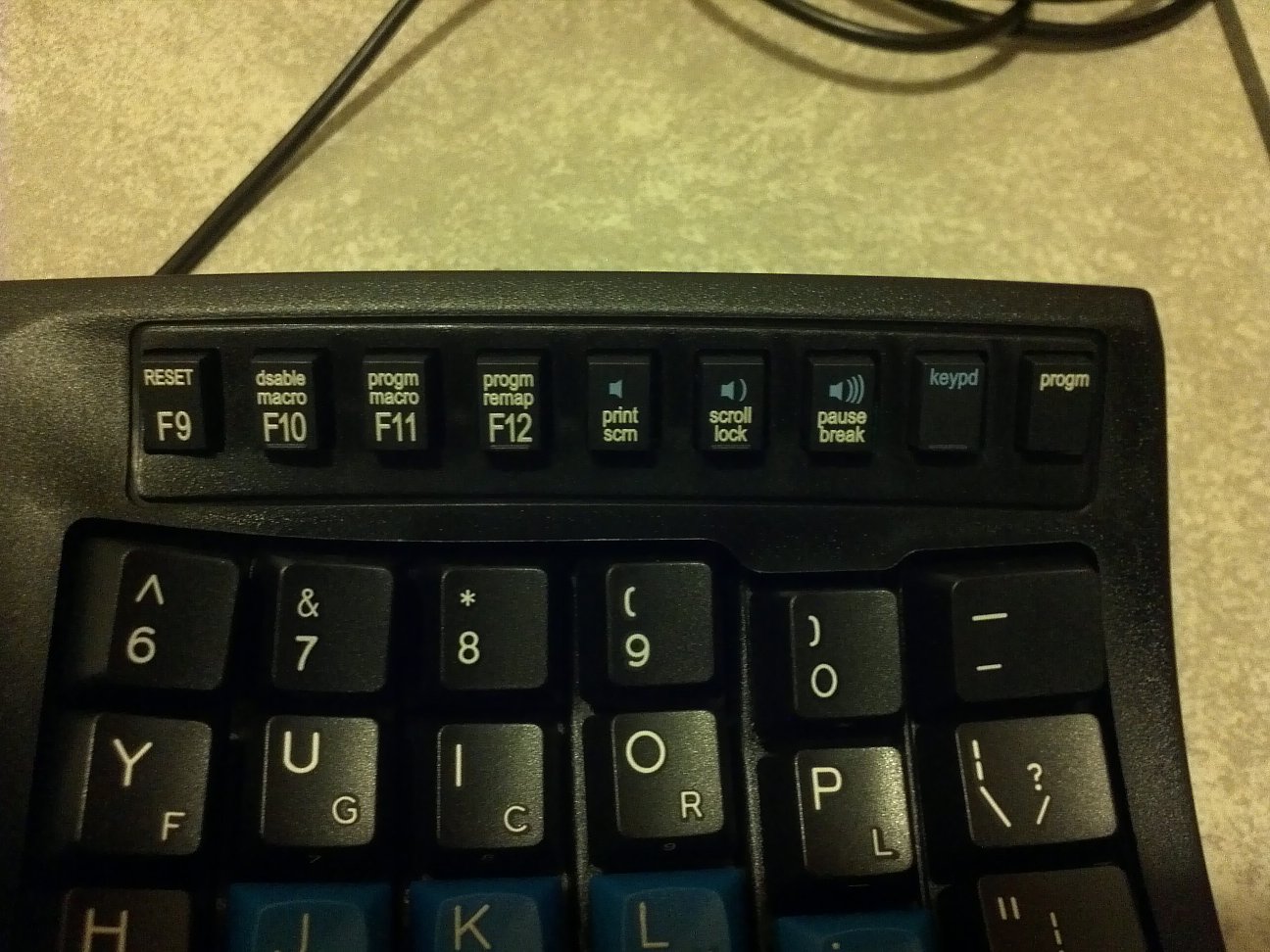
Driverless Programable Keys
To Remap Keys
Suppose you want to make CapsLock do Ctrl.
- Hold progm then press F12. Release both.
- Press Ctrl, release, press CapsLock, release.
- Press progm again to stop.
- That's it. Now, pressing CapsLock will send Ctrl signal.
Do this to remap any key.
To make a key back to default, you can simply start remap and press the key twice.
[see Kinesis Advantage2 Programing Guide]
To Record Key Macro
Suppose you want to make F2 do Ctrl+c (copy).
- Hold progm then press F11. Release both.
- Press F2, release.
- Press Ctrl+c.
- Press progm again to stop.
That's it. Now, pressing F2 will do Copy.
The triggering key can be a key combination. For example, you can make Ctrl+n do →, so that when holding control, right hand keys can become arrow keys.
Typing on Kinesis
Design Advantages
There are several quality designs that went into this keyboard. I explain each item below.
Thumb for Modifier Keys
Control key is now pressed by the most powerful finger the thumb.
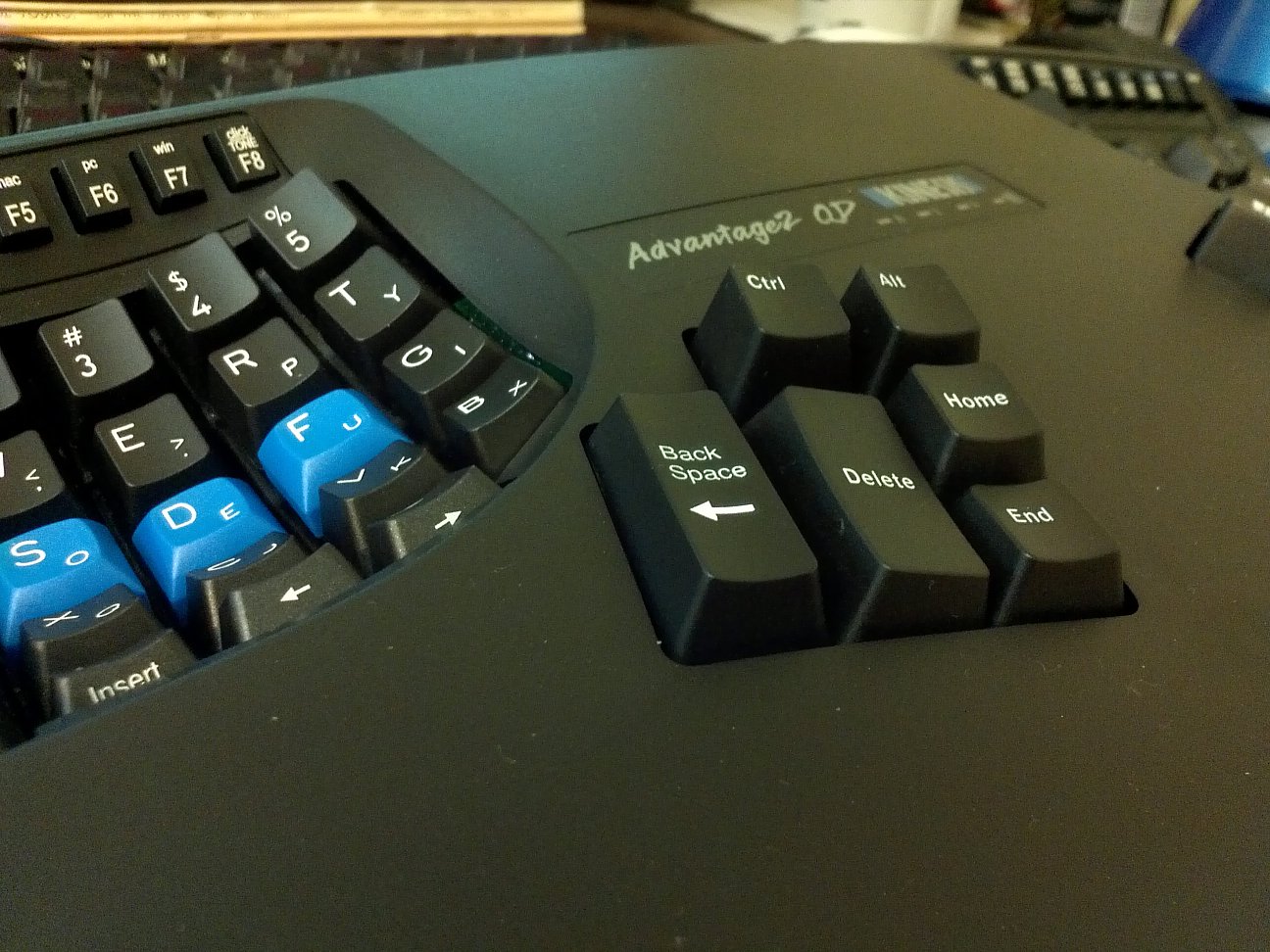
The Backspace ⌫ key is one of the most frequently used key, now it's under your thumb too.
Straight Key Columns
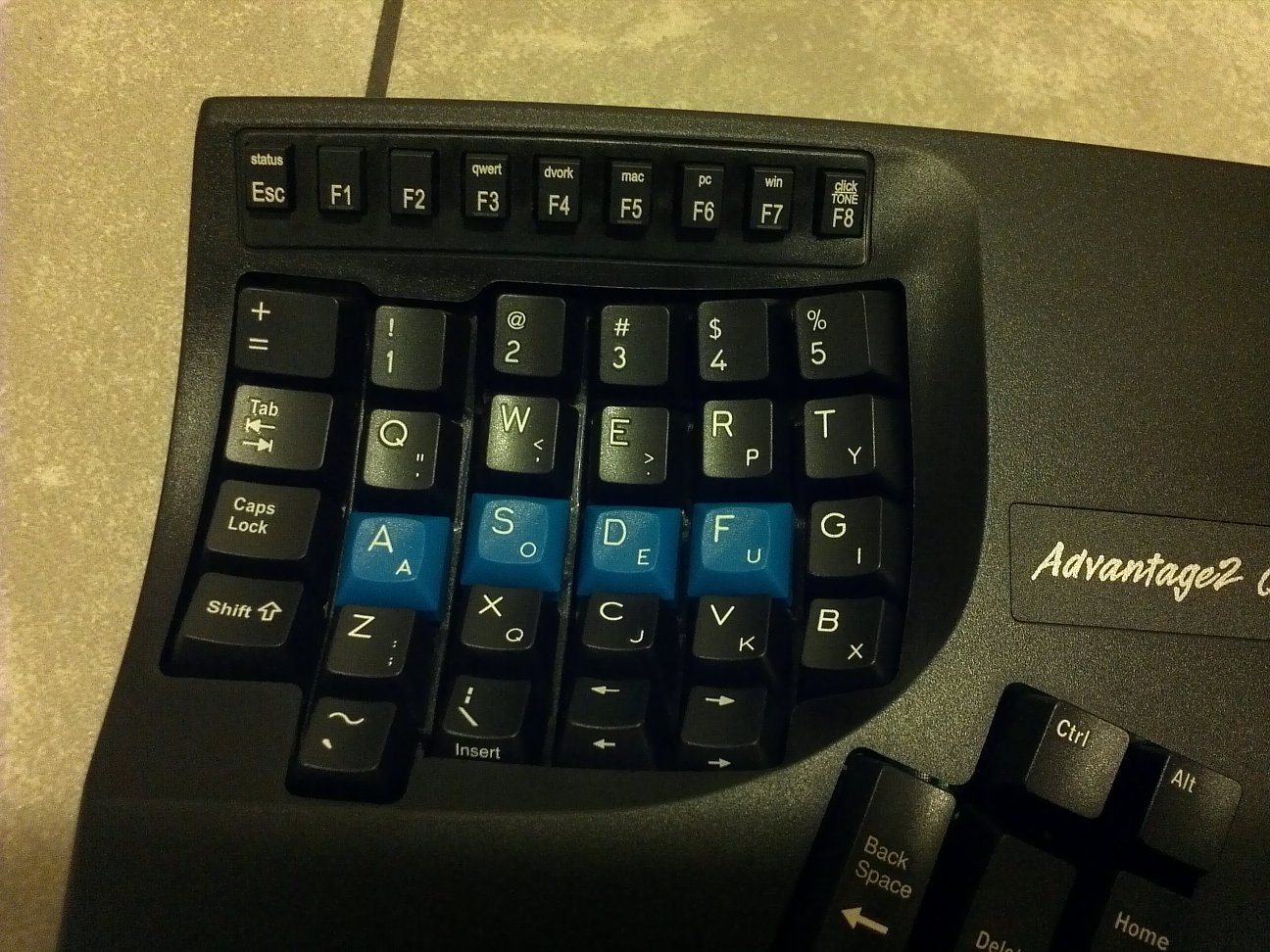
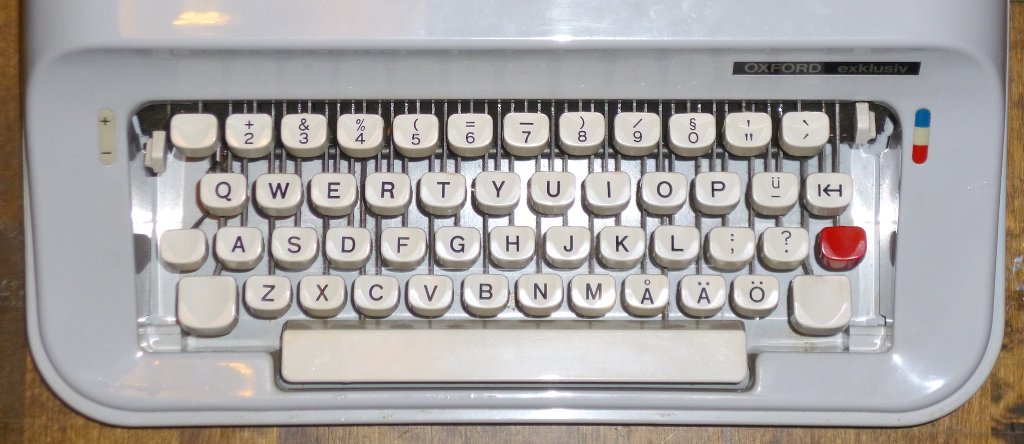
Palm Higher Than Finger Tips
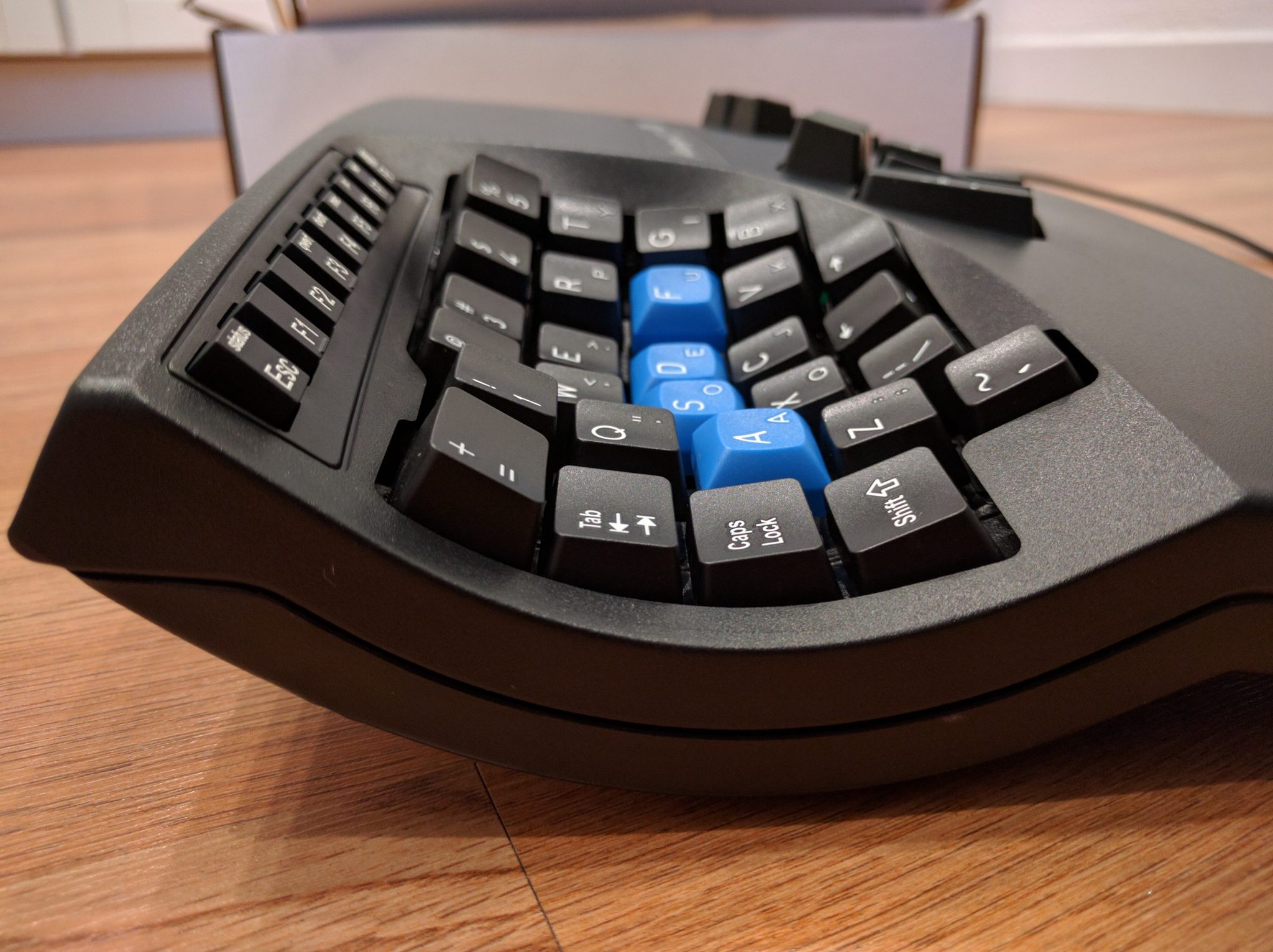
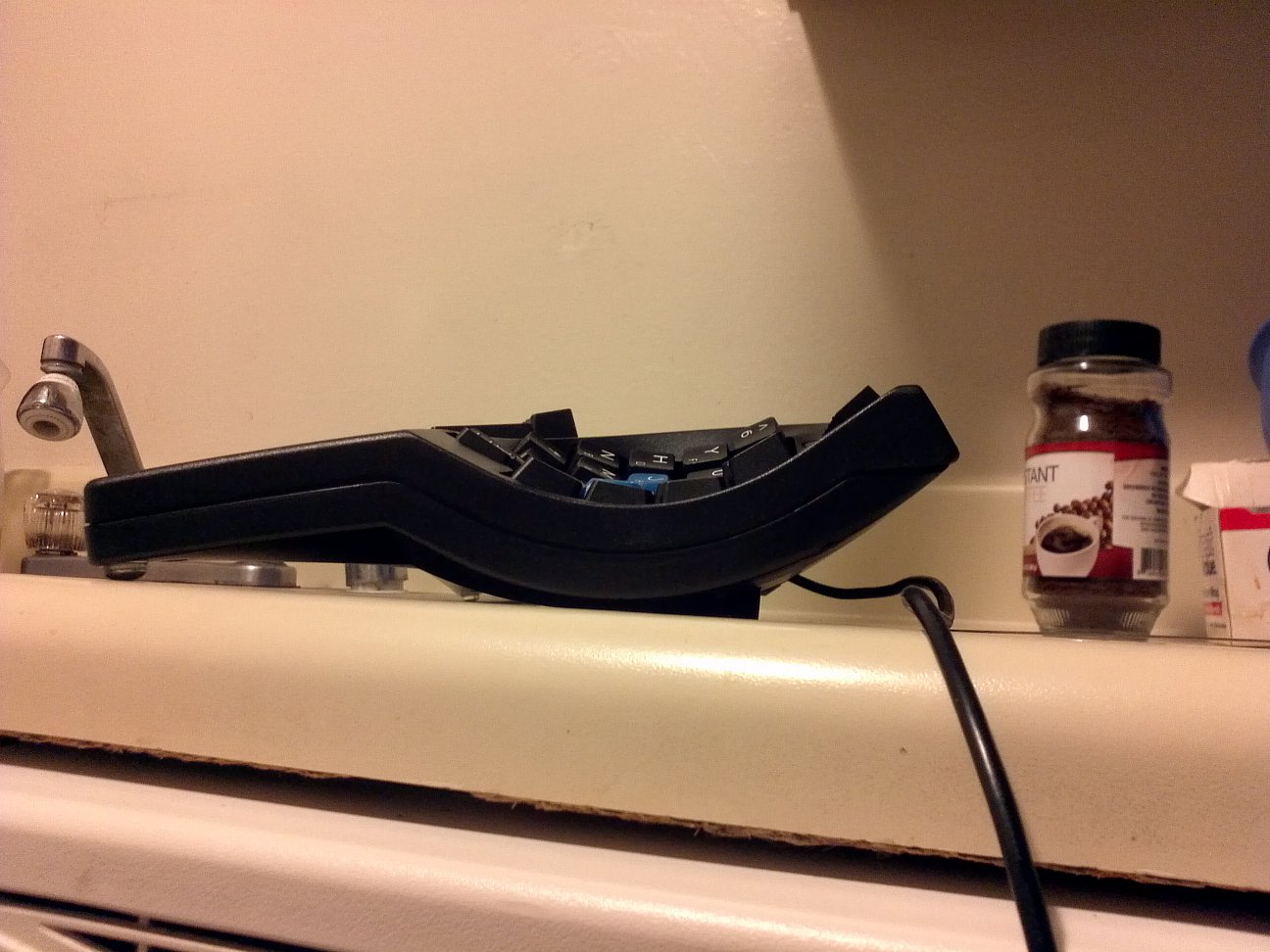
Tenting: Middle Higher Than Sides
There is 20 degree of tenting. That is, the key G is about 2 cm higher than key A. This helps reduce forarm pronation problem.
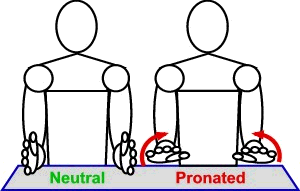 Keyboard Tenting (Wrist Pronation)
Mechanical Key Switch
Mechanical switch is very nice to press, lighter, easier on the fingers, and gives you tactitle feedback.
Mechanical switch also lasts hundreds times longer than common rubber dome switches used in normal keyboards. Many people i know have Kinesis for over 10 years, and the keyboard is still going strong.
- Model LF (linear feel) uses Cherry MX Red for the main keys.
- Other models uses Cherry MX Brown, which has light tactile feedback.
Which type of key switch to get depends on the person.
I now prefer Cherry MX Red (linear feel) (Model LF). (but the one i have is Cherry MX Brown (tactile))
Mac, Linux Support, Yes
I use it on Linux, Mac, and Microsoft Windows. It's plug-and-play.
How long does it take to get used to?
I thought it might take me sometime to adjust to the bowl-shaped surface, but to my surprise, i typed on it like a pro the first day. I've been typing on a grid-layout keyboard for past 3 years, but never on bowl-shaped surface before.
If you never used a grid-layout keyboard before, it'll take about 2 weeks to stop mistakes, 3 weeks to become fluent. (based my experience when using grid-layout for the first time, and from Kinesis user comments online.)
Bad Points
Tiny Function Keys
The function keys F1 to F12 are tiny. I prefer full-sized keys, because full-sized keys are easier to use. Most people don't use the function keys, but i use them heavily. [see Why Function Keys F1 to F12 Are Useful]
Not Designed for Small Hands
I'm Chinese. My hands are smaller than average white people's hands. The 2 primary thumb keys are easy reach, the Backspace ⌫ and Space. Other thumb keys require reach.
If your hands are small, do not try to press the thumb keys by stretching. Press the thumb keys by moving whole hand. For example, I move my whole hand to press Alt key, and move hand slightly to press Ctrl key. Moving hand is healthier than stretch.
If you are Asian Female, Kinesis may not be for you. [see Best Ergonomic Keyboards for Small Hands]
Default Layout
- By default, QWERTY and Dvorak layouts are builtin, in any of the Kinesis models.
- You can create your own layouts. For example, placing Esc key on the thumb, place Ctrl Alt ⌘ command ⌥ option 🪟 Windows or arrow keys on any key position you like.
- You can easily switch to any layout by pressing a few buttons.
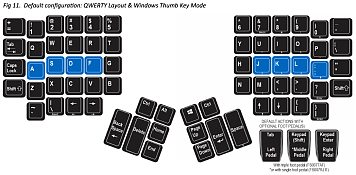 Kinesis Keyboard Layouts
Vim/Emacs Keymap Recommendations
For vim, i recommend: Make CapsLock do Esc.
For emacs, i highly recommend one of the following:
- Most efficient, modal. Emacs: Xah Fly Keys 📦. Set CapsLock as Home.
- evil mode (like vim keys) or use http://spacemacs.org/
- ergoemacs-mode at http://ergoemacs.github.io/. You should set the Backspace ⌫ as Alt. For small hands, set right arrow key as Alt.
Where to Buy
Note: all models has Dvorak layout builtin. The one with Labeling Qwerty/Dvorak provides you dual key labels.
Key Remap/Macro tutorial
What is the difference between Kinesis Advantage and Advantage2?
Advantage2 is newer model, released in .
- Advantage2 has mechanical keys for the function buttons at top row. Cherry ML mechanical switch, with plastic key caps. Original Advantage had rubber buttons.
- Advantage2 has a new engine SmartSet for programing the keys.
- Advantage2 has 4 megabytes of memory (early model has 2 megabytes). Original Advantage has 4k.
- Advantage2, key macros and layouts are stored as text files in the embeded flash drive. You can open and edit and load the text file, or share it with friends. No special driver software needed.
The shape and size of keyboard is exactly the same.
Photo Gallery
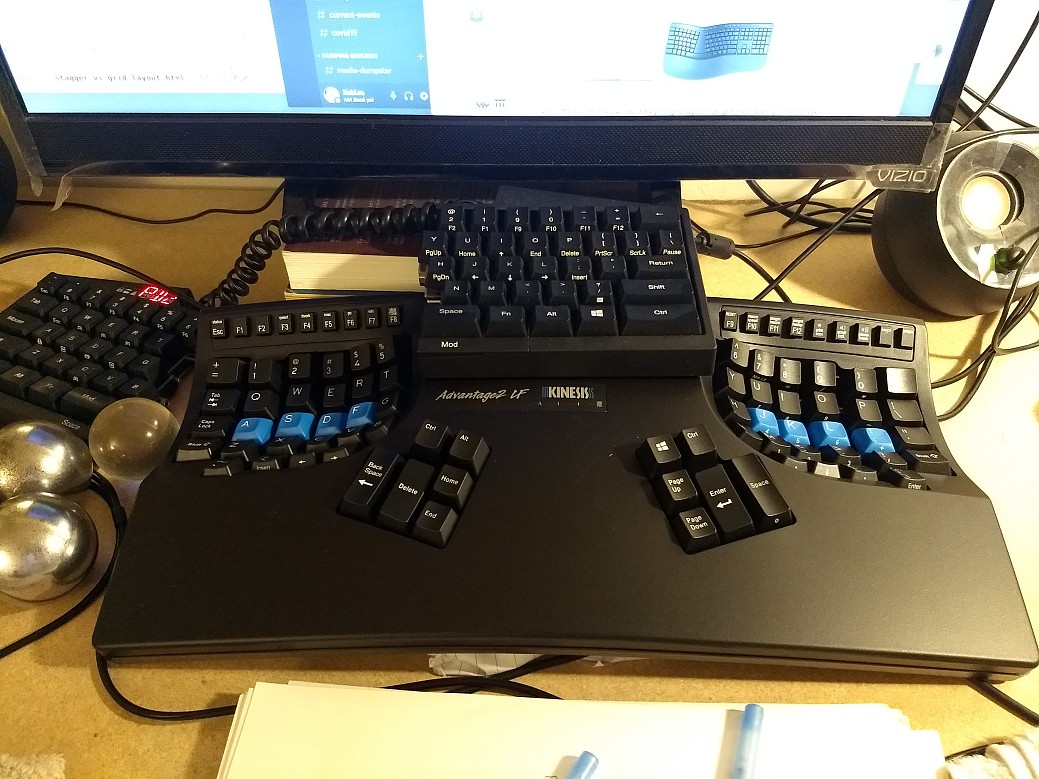
Bought a new one with Cherry MX Silent Red switches. My old one is Cherry MX Brown switch. Love the new one. The keys are sooo smooooth, easy to type. If you have Repetitive Strain Injury, or really type a lot, i recommend you get the light linear switches.
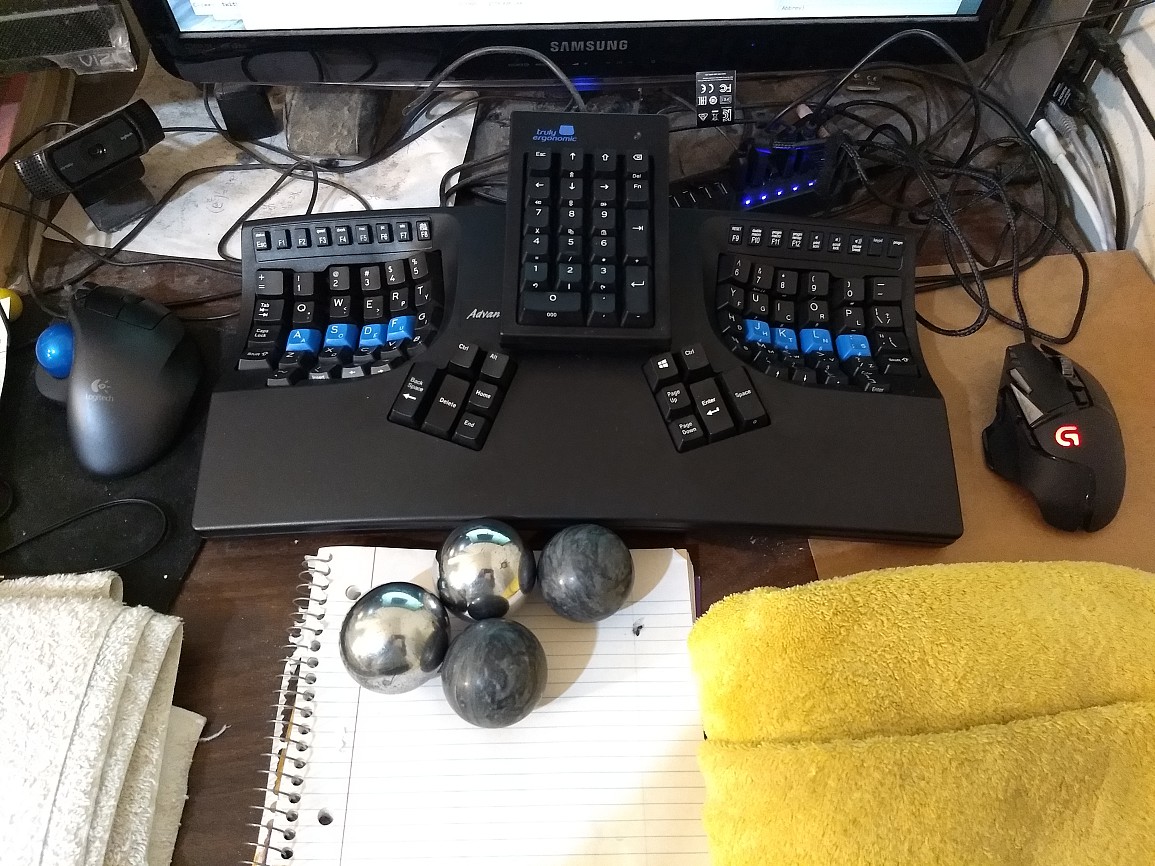
 Kinesis Keyboard Unboxing Gallery
 Kinesis Keyboard Gallery
Kinesis 360 came out.
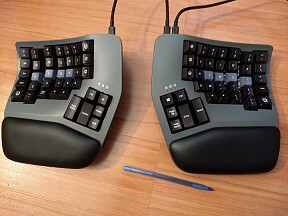 Kinesis 360